
For small investor groups or individuals looking to start a real estate portfolio, multi-plex rental properties provide a practical and profitable entry point. Properties with up to six units are particularly attractive, as they qualify for residential mortgages, simplifying financing and allowing investors to benefit from better loan terms. Within the tri-city area, Waterloo stands out as a preferred location for multi-plex investments, offering advantages over neighboring Kitchener and Cambridge in terms of rental demand, economic resilience, and appreciation potential.
Here’s a guide to the five essential factors for selecting an ideal multi-plex rental property and a closer look at a promising listing at 216 King St. S., Waterloo.

1. Financing Opportunities for Small Scale Multi-Plex Properties
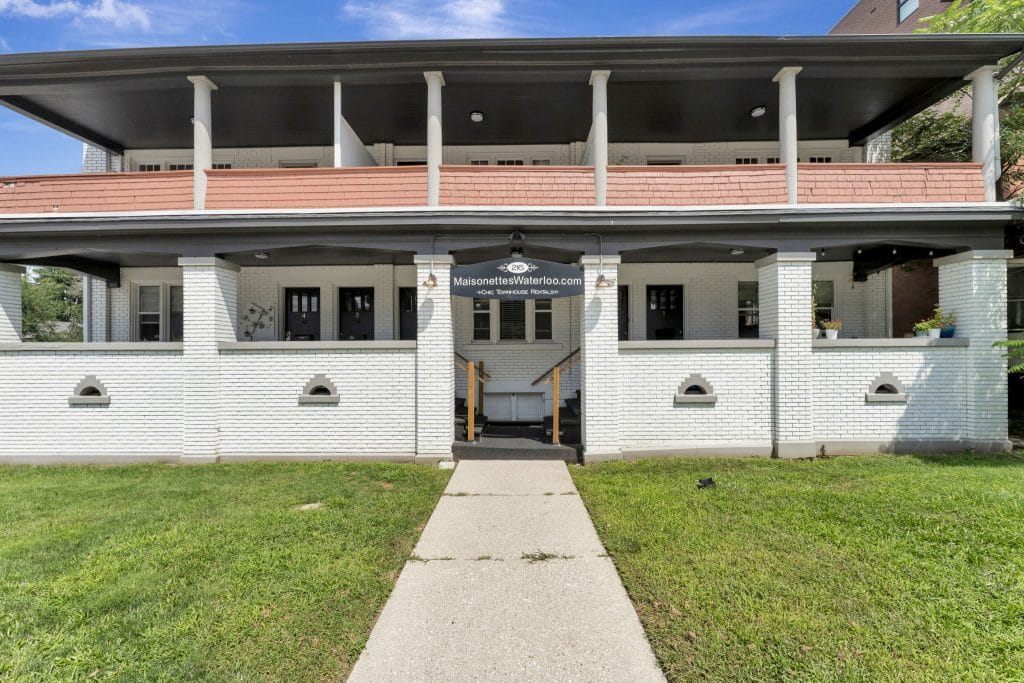
One of the greatest advantages of investing in multi-plex properties with six or fewer units is the availability of residential mortgages. Unlike commercial properties, which often require larger down payments and shorter loan terms, properties of this size can qualify for residential mortgage rates, providing investors with better interest rates and terms. This flexibility lowers the barrier to entry for smaller investors, allowing them to leverage their investment while maintaining manageable monthly payments.
Key Tip: Connect with a mortgage broker experienced in multi-plex financing to understand your options and streamline the financing process for a competitive advantage.
2. Location, Why Waterloo?
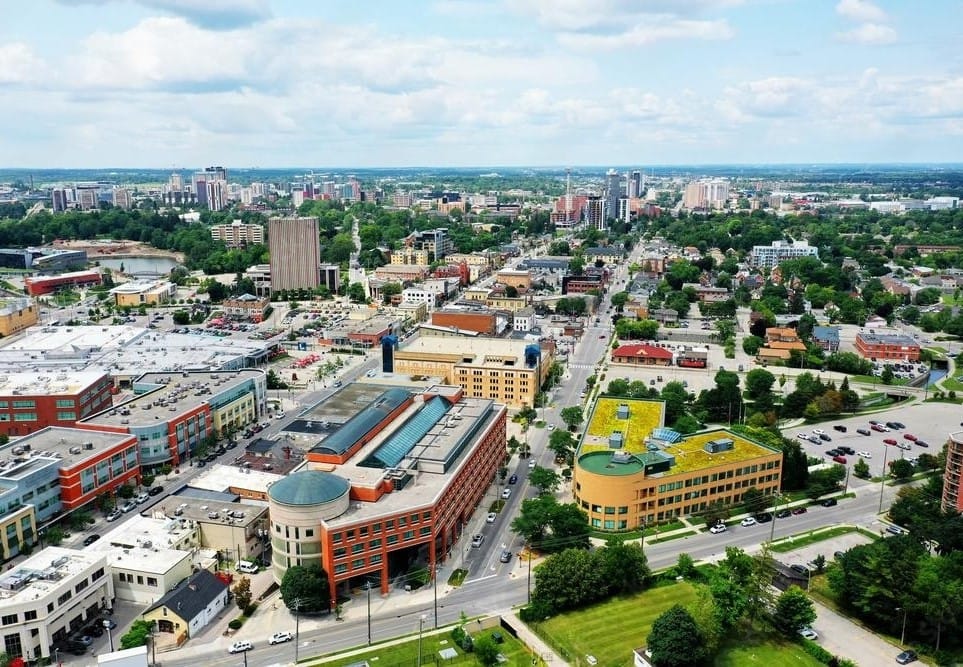
We have identified Waterloo as a targeted location for investors as the city consistently outperforms neighboring Kitchener and Cambridge in terms of investment appeal, driven by several economic and demographic factors:
Economic Resilience and Employment Growth
Waterloo benefits from a robust economy bolstered by its status as a global tech and innovation hub. Anchored by tech giants like OpenText and SAP and high-growth start-ups, Waterloo attracts a young, professional workforce. This strong economic foundation leads to consistent demand for rentals from both professionals and students, creating a stable tenant base for investors.
- Tech Ecosystem: Kitchener-Waterloo Region’s innovation district supports over 1,500 tech companies, making it one of Canada’s leading tech centers outside of Toronto. This ecosystem attracts highly educated professionals who are likely to rent in proximity to their workplaces.
- Low Unemployment Rates: Waterloo typically reports lower unemployment rates compared to Kitchener and Cambridge, reflecting its economic resilience and job opportunities in growing sectors like tech and education.
Educational Institutions Driving Rental Demand
Waterloo’s academic institutions, including the University of Waterloo and Wilfrid Laurier University, play a major role in driving rental demand.
- Student Population: With a combined student population of over 50,000, Waterloo has a steady demand for rental properties, particularly in areas close to the universities. Unlike Kitchener or Cambridge, Waterloo has a higher proportion of student renters, providing a stable tenant pool year-round.
- Co-Op Programs: The University of Waterloo’s renowned co-op programs attract students from across the country and abroad, many of whom seek short-term rental accommodations near campus, boosting occupancy rates for investors.

Waterloo consistently outshines its neighboring cities, Kitchener and Cambridge, when it comes to investment appeal. The area’s unique economic, demographic, and property market dynamics make it a prime location for multi-plex rental investments. Below are the key statistical and location-based reasons why Waterloo is an ideal choice over Kitchener and Cambridge.
Stronger Property Values and Higher Price per Square Foot
Recent sales data over the past two years demonstrate Waterloo’s superior property market performance compared to Kitchener and Cambridge. Higher average selling prices and a premium per square foot highlight the area’s attractiveness and growth potential:
- Waterloo: 88 multi-plex properties sold with an average price of $1,842,410 and an average of $574.66 per square foot.
- Kitchener: 209 properties sold with an average price of $1,115,982 and $560.01 per square foot.
- Cambridge: 64 properties sold with an average price of $817,639 and $467.37 per square foot.
This data indicates that Waterloo commands a higher price per square foot and a higher overall selling price than both Kitchener and Cambridge. For investors, this suggests a greater return on investment due to the higher valuation of properties in Waterloo. Moreover, the increased cost per square foot points to stronger demand and a more stable, desirable market.
Higher Average Rents and Low Vacancy Rates
Rental rates and occupancy statistics further highlight why Waterloo is a strong choice for multi-plex investments:
- Higher Rents: According to recent data, Waterloo has higher average rents than Kitchener and Cambridge. For example, a two-bedroom apartment in Waterloo rents on average for $1,950, while Kitchener averages around $1,800 and Cambridge around $1,700. This translates into better revenue potential for rental property owners.
- Low Vacancy Rates: Waterloo’s vacancy rates are consistently lower than those in Kitchener and Cambridge, thanks to its steady demand from both students and tech professionals. With vacancy rates below 2%, landlords can expect high occupancy and minimal income disruptions.
In Summary: Waterloo offers investors the advantage of higher rental yields, economic resilience, and lower vacancy rates, providing a more stable and potentially lucrative investment environment compared to its neighboring cities.
3. Capitalization Rate

When evaluating potential investment properties, capitalization rate (cap rate) is a critical metric. The cap rate is a measure of a property’s profitability, calculated by dividing the net operating income (NOI) by the property’s current market value. A higher cap rate typically suggests a higher return on investment, but it may also come with increased risk.
Using Cap Rate as a Guideline: For multi-plex residential units in stable markets like Waterloo, a cap rate of 5–7% is generally considered favorable. In high-demand areas, slightly lower cap rates can be acceptable due to the reduced risk associated with strong occupancy rates and appreciation potential. While the cap rate is a valuable benchmark, it should be considered alongside other factors, such as the property’s condition, location, and ongoing management costs.
Primary Goal: Aim for a balance between a reasonable cap rate and the potential for appreciation. In a robust rental market, a slightly lower cap rate can be offset by high demand and steady rental income.
4. Property Condition and Long Term Investment Potential

When choosing a multi-plex property, it’s crucial to evaluate the building’s condition and long-term potential. Properties with updated infrastructure, such as plumbing and electrical systems, can save investors on maintenance costs. Properties in good condition also tend to attract higher-quality tenants, enabling better rent control and tenant retention.
Key Considerations:
- Renovation History: Look for properties that have had recent renovations, as these typically require less immediate capital expenditure.
- Location and Accessibility: Waterloo’s proximity to educational institutions, tech centers, and public transport make it particularly appealing for tenants.
- Tenant Demand: The steady influx of students and professionals makes it easier to maintain high occupancy rates, ensuring reliable rental income.
5. Future Development and Market Trends
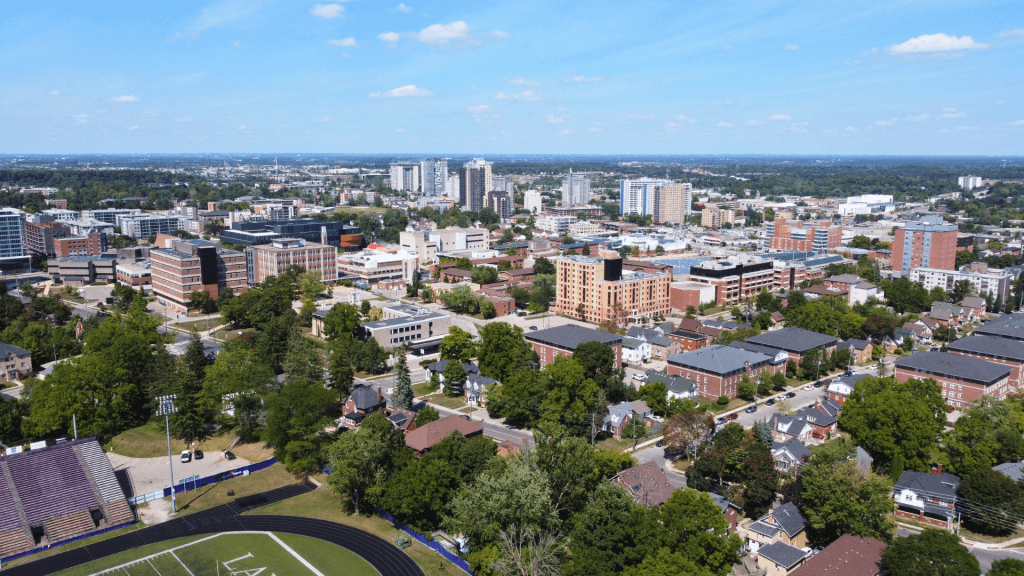
Another key consideration is understanding future development plans and market trends in the area where the multi-plex property is located. Upcoming infrastructure projects, such as new transit lines, schools, or commercial developments, can significantly boost property values and rental demand. Conversely, zoning changes or oversaturation of rental properties in the area could negatively affect your investment. Staying informed about municipal plans and broader market trends will help you anticipate shifts that could impact your property’s profitability and long-term appreciation potential.
Takeaway Points
Investing in multi-plex rental properties is an excellent strategy for building wealth through real estate, particularly in a high-demand, high-growth market like Waterloo. By understanding the benefits of:
- Residential financing,
- Cap rates,
- Property condition,
- Future development and,
- Market trends,
New investors can make well-informed decisions. Waterloo’s economic strength, student demand, and higher rental yields make it a preferred location for multi-plex investments.

A Featured Opportunity: 216 King St. S., Waterloo
A standout investment opportunity is available at 216 King St. S. in Waterloo. This property is ideally located near both university campuses and Waterloo’s innovation district, placing it within easy reach of public transportation and local amenities. This central location makes it highly desirable for both student and professional renters, who are likely to appreciate the convenience and lifestyle offered by this area.
Property Highlights:
- Location: With its central location, this property attracts a diverse range of tenants, from students to tech professionals, ensuring low vacancy rates. Walking distance to the Allen Station, University of Waterloo, Wilfrid Laurier University, Conestoga College and the Grand Valley Hospital.
- Strong Appreciation: Real estate in Waterloo has shown a steady upward trend, positioning 216 King St. S. as a sound choice for long-term appreciation.
- Future Development: This property is located within a Primary Node and is designated ‘Commercial’ on Schedule ‘A’ (Land Use Plan) of the City’s Official Plan. The site is further designated ‘Uptown Mixed Use’ in the more detailed Commercial Land Uses Schedule (Schedule ‘A1’). The Uptown Mixed-Use designation permits a wide range of uses including multiple residential/apartments.
- Site Designation: Medium Density, which permits a maximum height of 20 metres (approximately 6 storeys) and a maximum density of 450 bedrooms per hectare. Based on the site area of 0.08 ha this translates to a density permission of approximately 36 bedrooms. If you were to redevelop the property with all studio and one bedroom units this would translate to a permission of 36 units. If the redevelopment proposal included some two-bedroom units, the number of permitted units would increase.
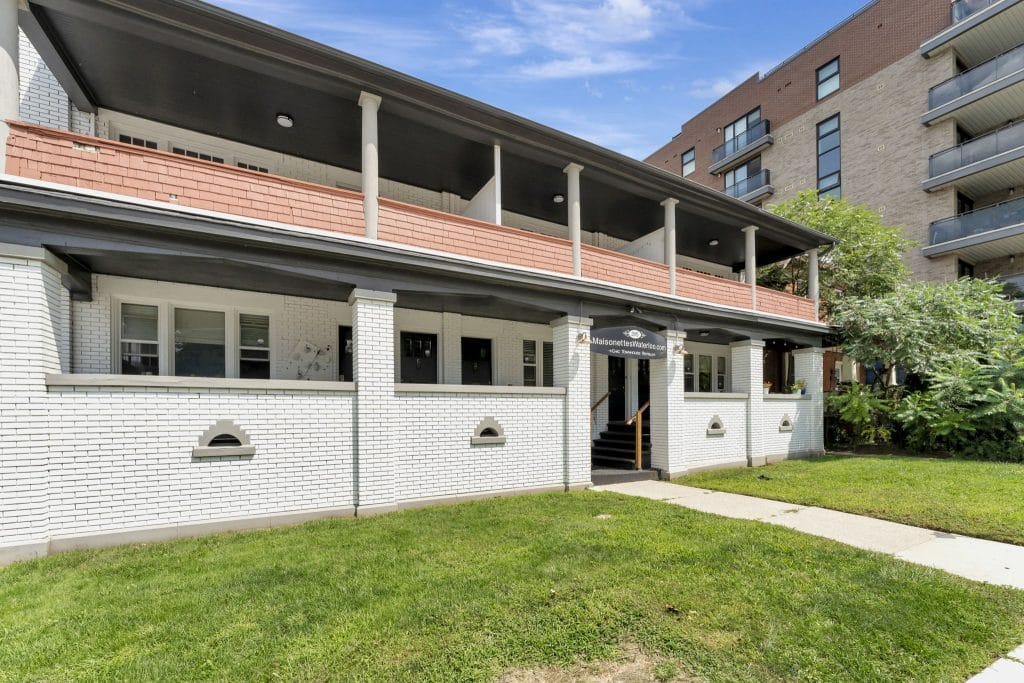
For investors looking to build a portfolio with reliable income and growth potential, 216 King St. S. offers an ideal entry point into the thriving Waterloo rental market.
For more information on available properties like 216 King St. S. and professional guidance on building a successful investment portfolio, please reach out. Waterloo’s multi-plex market awaits your investment! You can view 216 King St. South here: https://www.cityhousecountryhome.com/listings/216-king-street-south-waterloo/